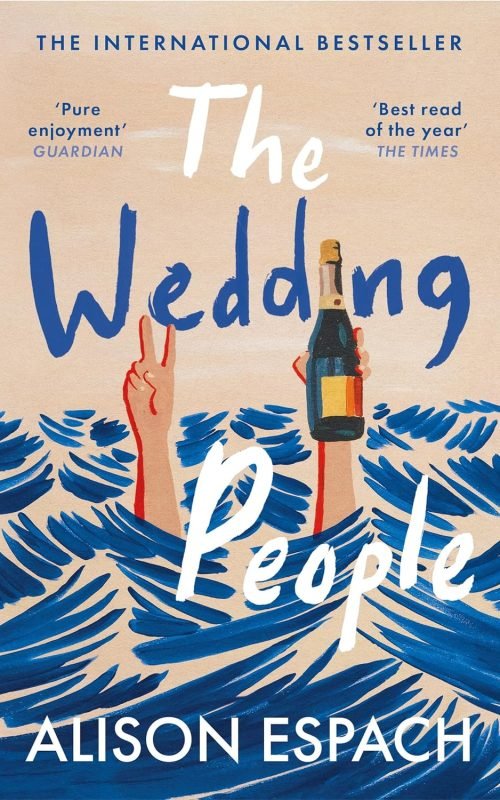
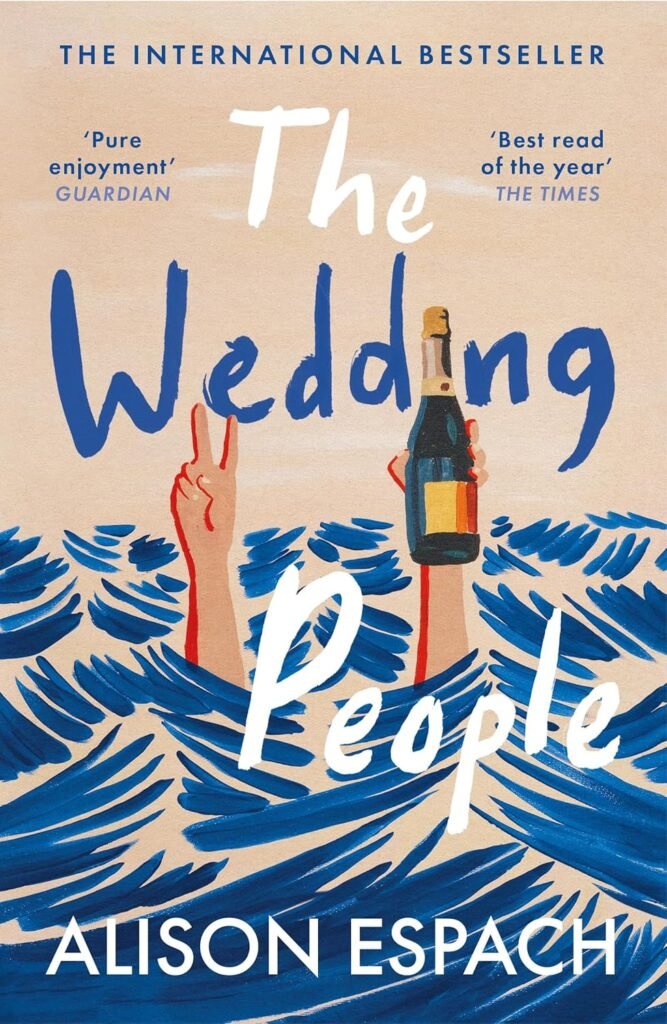
There is a particular kind of novel that arrives dressed in the language of lightness — the comic premise, the beachside setting, the shoes chosen for style over sense — and then quietly does something more serious beneath the surface. Alison Espach’s *The Wedding People* is precisely this kind of book, and it is all the more affecting for how gracefully it wears its disguise.
Phoebe Stone checks into the Cornwall Inn in Rhode Island alone, overdressed and underestimated, only to find herself swallowed whole by someone else’s celebration. She is not one of the wedding people, and yet she cannot seem to escape them. From this simple, beautifully observed premise, Espach builds a novel that is genuinely funny — the social choreography of destination weddings, with all their rituals and hierarchies and forced intimacies, is rendered with sharp and affectionate precision — while never losing sight of the loneliness that brought Phoebe to the hotel in the first place.
What distinguishes *The Wedding People* from the crowded shelf of comedies-of-manners is its emotional intelligence. Espach understands that grief and joy are not opposites but rather uncomfortably close neighbours, and she lets her characters exist in that uncomfortable proximity without forcing resolution too quickly. Phoebe is not a protagonist who needs to be fixed so much as one who needs to be witnessed, and the novel performs that act of witnessing with considerable warmth and care. The relationship that develops between Phoebe and the bride, Lila, is the novel’s beating heart — unlikely, improbable, and rendered with enough specificity to feel entirely real.
The prose itself is clean and well-paced, occasionally rising to something genuinely lovely, and Espach has a comedian’s instinct for timing that keeps even the more tender passages from becoming sentimental. If the novel’s final movement feels slightly more conventional than what precedes it, this is a minor reservation against the considerable pleasure of getting there.
For readers who have grown weary of novels that mistake bleakness for depth, *The Wedding People* offers something quietly radical: the argument that joy, honestly earned and honestly observed, is a subject worthy of serious literary attention. It is, in the very best sense, a book that makes you glad to have spent time in its company.